

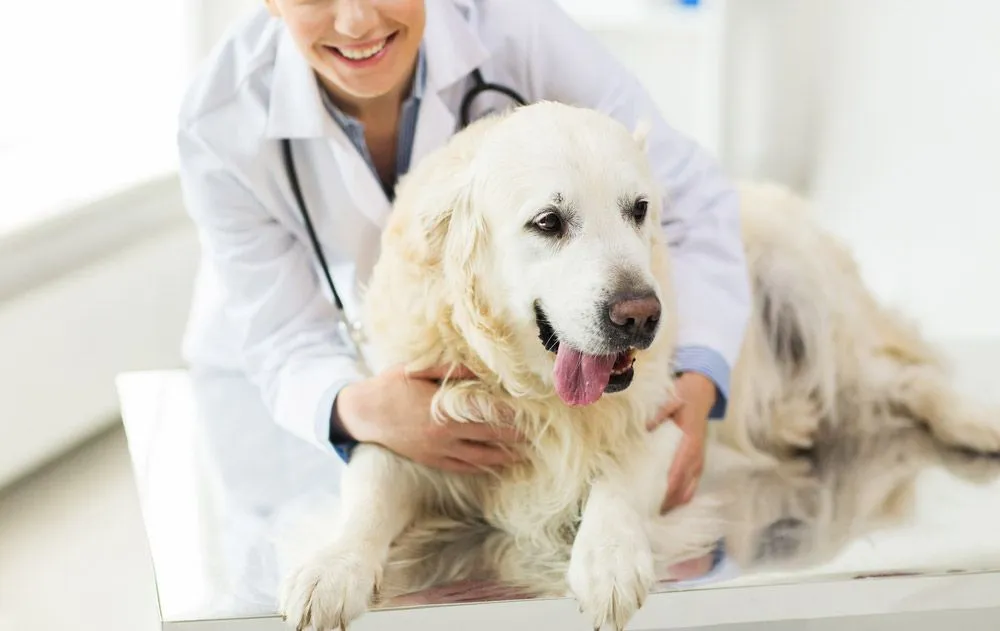
Pets bring joy and companionship, but they can’t tell you when something is wrong. You need to watch for signs that your pet needs immediate care. Unusual behaviors can be alarming and indicate that your pet is in distress. If your pet struggles to breathe, won’t eat, or shows sudden aggression, these could be warning signs. Vomiting or diarrhea, especially with blood, requires urgent attention. Also, if your pet seems confused or unsteady, this may signal a deeper issue. Take these signs seriously. A Silver Spring veterinarian can assess and address these symptoms promptly. Trust your instincts. If something feels off, it’s better to seek help early. Timely care can make all the difference for your pet’s health. Recognizing these signs can prevent further pain or complications. Be proactive. Your pet depends on you to notice and act when they cannot.
Behavior Changes
Watch for sudden changes in behavior. If your pet hides, refuses to play, or becomes aggressive, these behaviors could indicate illness or pain. These changes often serve as early warnings. Immediate veterinary care can prevent further complications. Your attentiveness can save your pet from unnecessary distress.
Respiratory Distress
Difficulty breathing is a serious concern. Fast breathing, wheezing, or persistent coughing may indicate respiratory issues. Your pet needs immediate attention to address these symptoms. Quick intervention by a professional can prevent serious outcomes. Breathing problems are never minor and require prompt evaluation.
Unusual Eating Habits
If your pet suddenly refuses food or water, this could signal various health problems. Prolonged refusal to eat can lead to dehydration and more serious conditions. Seek veterinary advice if changes in appetite persist. Early detection can prevent more severe health issues from developing.
Vomiting and Diarrhea
While occasional vomiting or diarrhea may not be critical, frequent episodes, especially with blood, are dangerous. These symptoms can indicate poisoning, infections, or other serious issues. Immediate veterinary evaluation is necessary to diagnose and treat the underlying cause.
Mobility Issues
Difficulty walking, limping, or other mobility issues can signal injury or illness. Observe if your pet hesitates to climb stairs or jump. Prompt attention can prevent further damage. Swift action can alleviate pain and improve mobility. Your pet’s quality of life depends on timely care.
Confusion or Disorientation
If your pet seems confused, disoriented, or unsteady, this may indicate neurological issues. These symptoms can worsen quickly. Immediate veterinary care is essential to understand and treat the cause. Quick intervention can prevent further complications.
Data Table: Common Warning Signs
These signs are not exhaustive. Always be vigilant and trust your instincts. If you notice anything unusual, it’s best to consult with professionals. A reliable source like the ASPCA can provide further guidance on pet care and health. Do not wait for symptoms to worsen. Acting early can safeguard your pet’s well-being.
Conclusion
Your pet’s health depends on your awareness and quick action. By understanding these warning signs, you can ensure your pet receives the necessary care promptly. A healthy pet is a happy companion. Keep an eye on any changes in their behavior, and never hesitate to seek professional advice. Your dedication to their health can lead to a longer, happier life together.
