

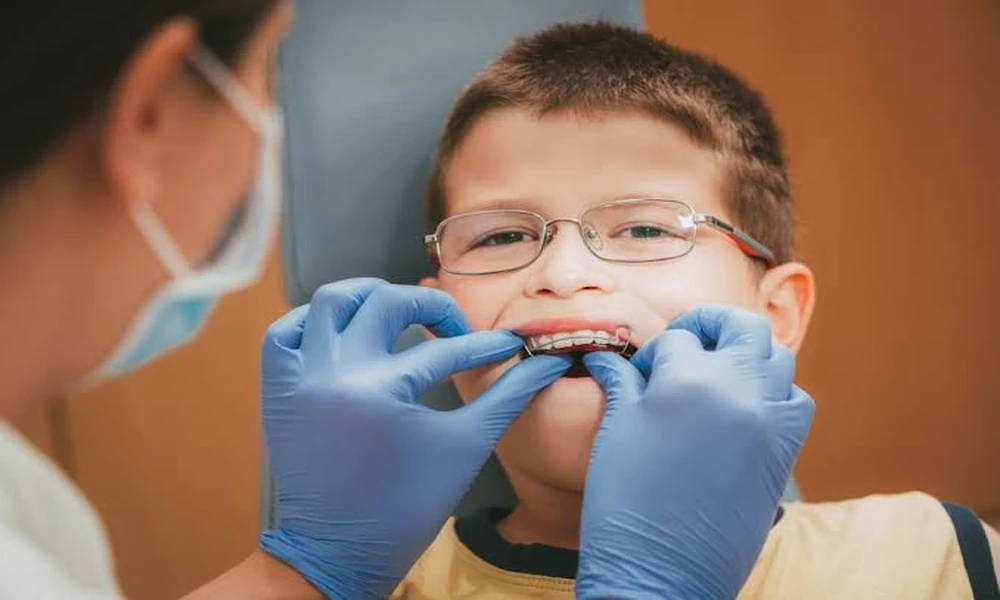
You look at your child one day and realize their smile has changed again. The baby teeth are long gone, adult teeth are settling in, wisdom teeth may be waiting in the wings, and suddenly brushing is not as simple as it was a few years ago. Adolescence brings a lot of change at once, and oral health often gets pushed behind school, sports, sleep, and the daily work of raising a teenager. Holt family dentistry services can help support your teen through these changes.
That stress is real. You may be wondering whether crowding is normal, whether braces are now unavoidable, or why gums seem to bleed even though your teen says they brushed. Dental changes during adolescence are common, but they are not all harmless. This stage is when bite issues become clearer, cavities can start to build faster, and habits like sugary drinks, mouth breathing, or skipped brushing begin to show up in the mouth.
A family dentist can help you sort out what is expected, what needs monitoring, and what should be treated before it turns into pain or a bigger bill.
Teen dental development brings normal changes and a few common problems
Most teens are still growing, and their mouths are changing right along with the rest of them. Adult teeth usually finish erupting by the early teen years, but the jaw may still be developing. That mismatch can lead to crowding, shifting, or a bite that suddenly looks different than it did at age ten.
Gums also react more strongly during puberty. Hormone changes can make them look puffy, feel tender, or bleed more easily during brushing and flossing. Parents often assume this means brushing should be gentler or skipped in sore areas. The opposite is usually true. Plaque sitting at the gumline makes that inflammation worse.
Then there are habits. Teens snack differently, drink more sports drinks or soda, and may wear braces, retainers, or mouthguards. Some breathe through their mouths because of allergies. Some grind their teeth at night without knowing it. Each of these can raise the risk of decay, enamel wear, gum irritation, or bad breath.
This is also the age when wisdom teeth start to become part of the conversation. They may not erupt until the late teens or early twenties, but X rays often show whether there is enough room long before that. According to NCBI guidance on tooth development and eruption, the timing of eruption varies, which is why regular dental exams matter during these years.
Oral health during the teen years can affect comfort, confidence, and cost
A small problem in adolescence can grow fast. A little crowding may make cleaning harder, which leads to plaque buildup, which leads to cavities or gum inflammation. A teen who feels self conscious about crooked teeth may stop smiling in photos or avoid speaking up. If a bite is off, they may chew on one side, complain of jaw soreness, or chip a tooth during sports.
You may also run into the hard part most parents know well. Teens want independence, but oral care still needs oversight. They are old enough to brush alone, yet not always consistent enough to do it well. You buy the toothpaste, schedule the visits, remind them to floss, and still hear, “I already did it.” Then the dentist finds two cavities.
That does not mean you failed. It means adolescence is a stage where supervision still matters, even when your child is taller than you expected and acts like they have everything handled.
National data backs up the need for attention here. The CDC oral health findings show tooth decay remains common, and untreated dental disease still affects children and teens across the United States. Prevention during adolescence is far easier than repair later.
Common adolescent dental issues and what they usually call for
| Dental change or concern | What you may notice at home | What it may mean | Typical next step |
|---|---|---|---|
| Crowding or shifting teeth | Teeth overlap, front teeth twist, flossing gets harder | Jaw growth and adult tooth positioning are still settling | Dental exam and possible orthodontic referral |
| Bleeding gums | Pink in the sink, swollen gumline, tenderness | Plaque buildup made worse by puberty related gum sensitivity | Better brushing and flossing, professional cleaning |
| More cavities | Sensitivity, white spots, dark grooves, no symptoms at all | Frequent snacking, sugary drinks, missed brushing, braces | Exam, X rays, fluoride support, fillings if needed |
| Wisdom tooth pressure | Back jaw soreness, swelling, or no obvious signs yet | Third molars developing with limited space | Monitoring with X rays and timing decisions carefully |
| Enamel wear or grinding | Flattened edges, jaw soreness, headaches | Night grinding, stress, bite issues | Dental evaluation and mouthguard discussion |
Teen oral health changes need steady habits, not panic
Most changes in the adolescent smile are manageable when they are caught early. The goal is not to chase every small shift. The goal is to spot patterns before they turn into damage. If your teen has braces, dry mouth, crowding, or a heavy sports schedule, they may need more support than a sibling who breezes through cleanings.
This is where a regular dental home helps. A general dentist who sees your child over time can track eruption, monitor bite changes, compare X rays, and tell the difference between normal growth and a problem that needs treatment. That is often more useful than waiting until pain forces a visit.
Three steps you can take right now
Check the routine, not just the supplies. A toothbrush in the bathroom does not mean it gets used well. Ask your teen to brush for two full minutes twice a day with fluoride toothpaste and floss once a day. If they wear braces or aligners, make sure cleaning tools match the job.
Watch for the quiet signs. Pay attention to bleeding gums, bad breath that does not go away, new sensitivity, mouth breathing, jaw soreness, or teeth that seem to be shifting. Teens often downplay symptoms until they hurt.
Keep regular dental visits on the calendar. Routine exams help catch cavities, gum issues, bite changes, and wisdom tooth development before treatment becomes more involved. This is one of the simplest ways to protect both your teen’s comfort and your budget.
The adolescent smile needs guidance while everything else is changing
Your teen is not the only one adjusting. You are watching them grow fast, and their mouth is changing right along with them. Some of what you see is normal. Some of it needs attention. The difference is not always obvious from home, which is why steady care matters.
If you have noticed shifting teeth, bleeding gums, or other changes in your child’s smile, schedule a visit with a family dentist and get a clear plan for the next stage of their care.
