

Hard water is one of those hidden household issues that quietly affects everything—from the lifespan of your appliances to the feel of your skin after a shower. Many homeowners only realize the problem when white scale builds up on taps, soap fails to lather properly, or water heaters begin to lose efficiency. As awareness grows, more households are exploring reliable solutions that improve water quality and protect long-term investments.
Selecting the right system, however, is not always straightforward. With multiple options available, understanding how each works and what suits your home best is essential. This guide breaks down the key considerations so you can make a confident, informed choice.
Installation and Professional Guidance Matter
Installing a water softener system is not always a straightforward DIY task. Incorrect installation can reduce efficiency or even damage plumbing systems.
Working with experienced professionals ensures proper sizing, placement, and setup. It also helps you avoid common issues such as improper drainage connections or incorrect regeneration settings.
For homeowners exploring reliable solutions, understanding available water softener systems can make the selection process easier, especially when guided by expert recommendations tailored to your specific water conditions.
Understanding What Hard Water Does to Your Home
Hard water contains high levels of minerals, mainly calcium and magnesium. While not harmful to health, these minerals can create ongoing maintenance challenges.
Over time, scale deposits form inside pipes, reducing water flow and increasing pressure on plumbing systems. Appliances such as washing machines and water heaters become less efficient, often leading to higher energy consumption and repair costs. Even daily routines are affected—laundry may feel stiff, dishes can appear cloudy, and skin may feel dry after bathing.
A properly selected water softener addresses these issues by removing or neutralizing mineral content, creating a noticeable difference across your home.
How Water Softener Systems Work
At their core, most softening systems use a process called ion exchange. This method replaces calcium and magnesium ions with sodium or potassium ions, effectively reducing hardness.
When hard water passes through the system’s resin bed, the minerals attach to the resin while softened water flows through your plumbing. Over time, the system regenerates itself using a brine solution, flushing out the collected minerals and restoring efficiency.
Understanding this basic function helps when comparing system types, as different models vary in how they manage regeneration, efficiency, and maintenance.
Types of Water Softener Systems to Consider
Not all systems are designed the same, and your household needs will determine which option works best.
Salt-based systems are the most common and highly effective for households with significant hardness levels. They provide consistent results and are suitable for larger families or homes with heavy water usage.
Salt-free systems, often referred to as conditioners, do not remove minerals but instead alter their structure to prevent scale buildup. These are typically preferred by households looking for low-maintenance options or those avoiding sodium.
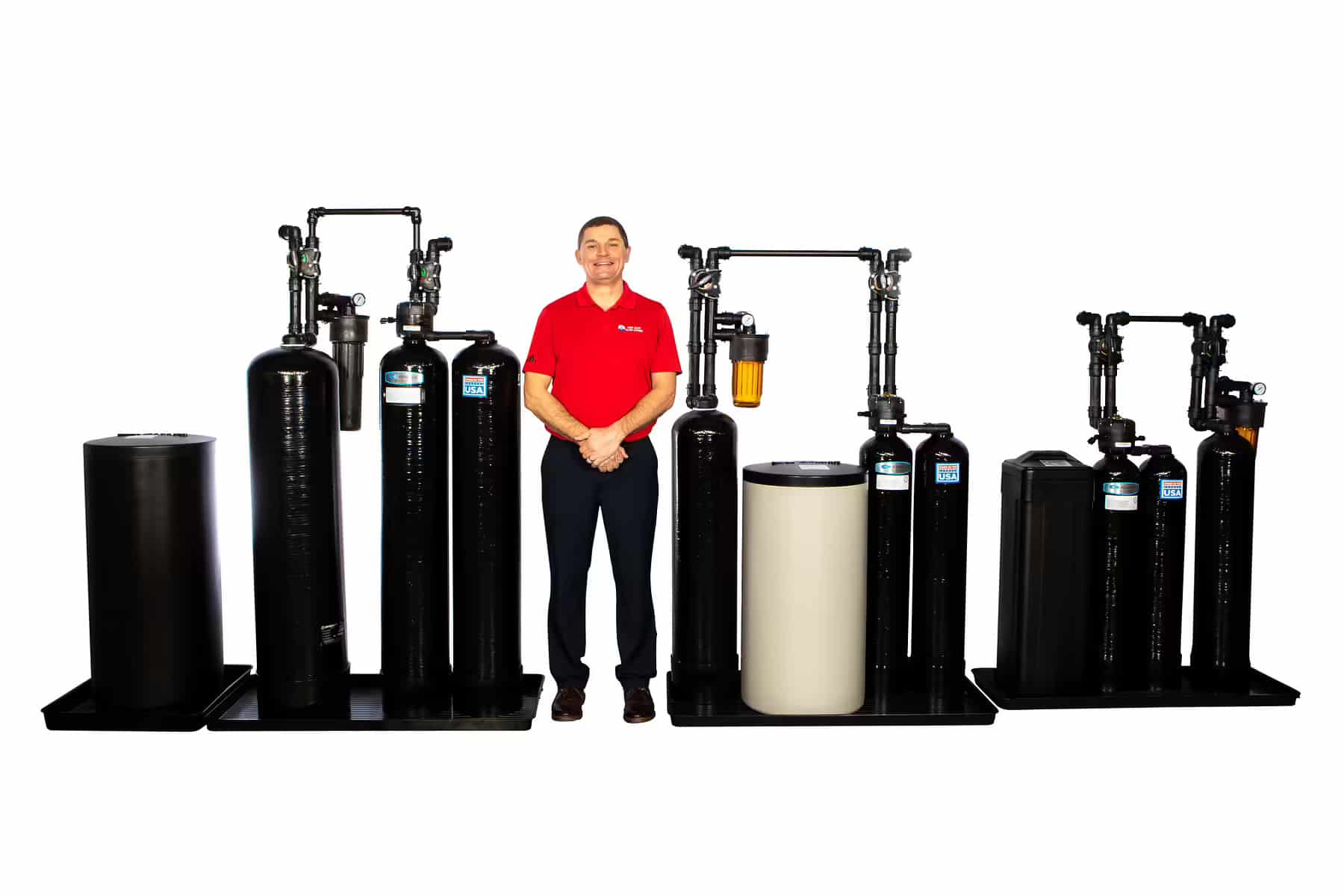
Dual-tank systems are designed for uninterrupted soft water supply. While one tank regenerates, the other continues to operate, making them ideal for larger households with constant demand.
Magnetic or electronic descalers offer a simpler installation process but are generally less effective for severe hard water issues. These may suit smaller homes or moderate conditions.
Each system has its strengths, and the right choice depends on your water quality, usage, and long-term expectations.
Factors to Evaluate Before Making a Decision
Choosing the right system requires more than simply picking a model. It involves understanding your home’s specific needs.
Water hardness level is the first factor to consider. A professional water test provides accurate data, ensuring you select a system with the right capacity.
Household size and water usage play a crucial role. Larger families require systems that can handle higher daily demand without frequent regeneration cycles.
Space availability is another practical concern. Some systems require additional room for tanks and maintenance access.
Maintenance requirements should also be considered. Salt-based systems require regular refilling, while salt-free options offer lower upkeep but may not deliver the same level of softening.
Budget is equally important. While upfront costs vary, long-term savings from reduced appliance wear and improved efficiency often justify the investment.
Long-Term Benefits You Can Expect
Investing in the right system delivers benefits that extend beyond immediate comfort.
Appliances tend to last longer because they are no longer exposed to scale buildup. Water heaters operate more efficiently, often reducing energy bills over time. Plumbing systems remain cleaner, lowering the risk of costly repairs.
On a daily level, you will notice softer skin, smoother hair, and improved cleaning results. Laundry feels fresher, and soaps and detergents work more effectively.
These cumulative advantages make water softeners a practical upgrade rather than a luxury.
Common Mistakes to Avoid
Many homeowners rush into purchasing a system without fully understanding their water quality or household needs. This often leads to undersized systems that cannot keep up with demand or to overpaying for features that are unnecessary.
Ignoring maintenance requirements is another common issue. Even the best system requires proper care to perform consistently over time.
Relying solely on price can also be misleading. A lower upfront cost may result in higher long-term expenses due to inefficiency or frequent repairs.
Taking the time to assess your needs and consult professionals can prevent these pitfalls and ensure a better outcome.
Conclusion
Choosing the right water softener system is not just about solving a short-term problem—it is about improving the overall efficiency, comfort, and longevity of your home. With the right approach, you can protect your appliances, reduce maintenance costs, and enjoy better water quality every day.
The key lies in understanding your water conditions, carefully evaluating system options, and seeking expert guidance when needed. A well-chosen system becomes a long-term asset, delivering consistent value and peace of mind.
