

Plasma donation has become an essential pillar of modern medicine, supporting treatments for severe burns, immune deficiencies, clotting disorders, and numerous chronic illnesses. For donors, it is an opportunity to make a direct and meaningful impact on the lives of patients who depend on lifesaving plasma-derived therapies. With the growing need for plasma, more people are considering donation, yet many potential donors are unsure about what the process involves, whether they qualify, or how to choose reputable plasma donations locations in their area.
Whether you are motivated by compassion, curiosity, or compensation, understanding the ins and outs of plasma donation can help you make an informed and rewarding decision.
Understanding the Plasma Donation Process and Why It Matters
Plasma donation begins long before a donor ever enters the chair. Plasma is a valuable resource filled with proteins, antibodies, and clotting factors that are essential for creating therapies that support patients around the world. When donors contribute plasma, they are not simply offering a biological product. They are providing a lifeline.
How Plasma Contributes to Medical Care
Plasma is used to develop treatments for patients with a variety of conditions, including:
- Immune disorders that require immunoglobulin therapies
- Hemophilia, which is treated with plasma-derived clotting factors
- Severe burns and traumatic injuries requiring fluid and protein replacement
- Liver diseases that impair the body’s ability to maintain fluid balance
Behind every plasma donation is an extensive process that ensures safety and quality. Donation centers run detailed screenings, maintain strict hygiene standards, and follow FDA guidance during collection and storage. Once collected, plasma is transported to specialized facilities where it undergoes purification and fractionation to isolate its lifesaving components.
Understanding this behind-the-scenes work helps potential donors see just how far their contribution reaches. A single donation supports multiple treatments, making each visit a meaningful act with widespread impact.
Eligibility Requirements: Who Can Donate Plasma?
Before visiting plasma donations locations, it is important to know whether you meet the qualifications. Centers follow consistent eligibility guidelines to protect both donors and patients who will ultimately receive the therapies made from plasma.
General requirements include:
- Being at least 18 years old
- Weighing 110 pounds (50 kg) or more
- Being in overall good health
- Passing a health questionnaire and physical exam
- Not engaging in high-risk behaviors that could affect blood safety
You may also be temporarily deferred for:
- Recent vaccinations
- Certain medications
- Recent tattoos or piercings
- Acute illnesses such as colds or infections
- Low hemoglobin or protein levels
If you are unsure whether a medical condition or medication affects your eligibility, staff members at plasma donations locations can clarify the rules. Their goal is to ensure your safety and maintain the high-quality standards required to produce safe plasma-based treatments.
What to Expect During Your Donation Experience
Walking into a plasma donation center for the first time can feel unfamiliar, but the process is designed to be smooth, clear, and comfortable.
Registration and Screening
Your visit begins with a check-in. First-time donors typically provide identification and complete a health questionnaire. A staff member will check your vital signs, take a small blood sample to measure protein and hemoglobin levels, and review your medical history.
The Donation Process
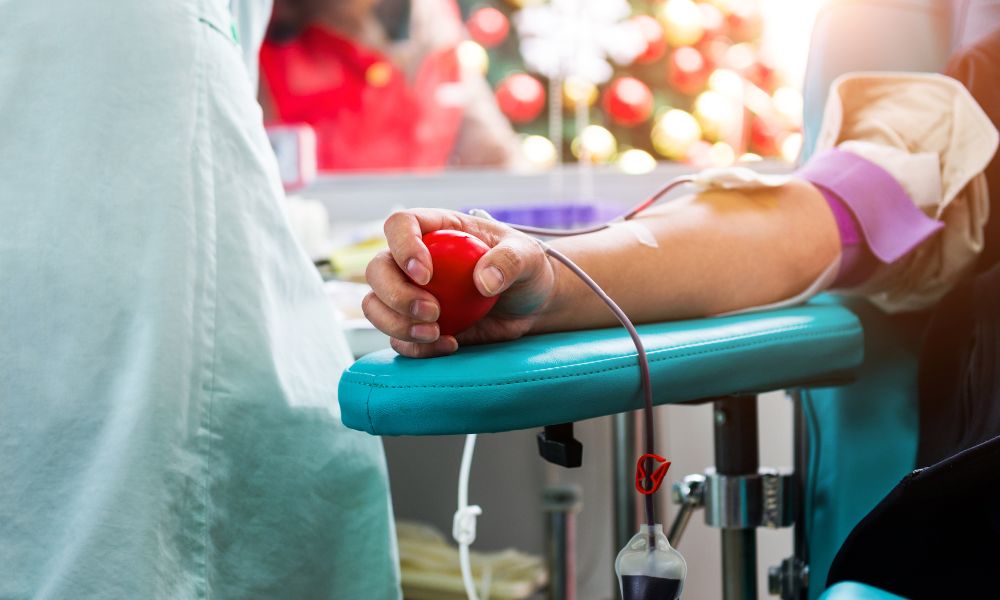
Once you are cleared to donate, you will be guided to a recliner where the procedure begins. A trained technician inserts a needle into a vein, and your blood is drawn into an apheresis machine. This machine separates plasma from the other components and returns blood cells and platelets back to your body.
The donation itself usually takes about 45 minutes to an hour. Many donors use this time to read, scroll on their phones, or simply relax.
Recovery and Aftercare
After your donation is complete, you will be given refreshments and asked to rest briefly. This recovery period helps you rehydrate and ensures you feel well before leaving. Drinking plenty of water and enjoying a nutritious meal afterward will help your body replace the fluid volume quickly.
Knowing what to expect can take the uncertainty out of your first visit and make the experience far more comfortable.
Finding Reliable Plasma Donations Locations: What to Look For
Choosing the right plasma donation center can make your experience significantly better. A high-quality location ensures your safety, offers good compensation, provides comfortable amenities, and creates a supportive environment.
Top Qualities to Look For
- Strong Reviews and Reputation
Online reviews can provide helpful insights into wait times, staff professionalism, cleanliness, and overall donor satisfaction. - Clean, Modern Facilities
Reputable centers follow strict health protocols, maintain sanitized equipment, and create a welcoming environment. - Transparent Compensation Policies
Since compensation varies, look for centers that clearly outline their pay rates, bonuses, and referral programs. - Friendly, Knowledgeable Staff
Staff should be warm, attentive, and ready to explain each step of the donation process. - Convenient Location and Hours
Centers near work, home, or transit options make it easier to donate regularly.
Comparing Amenities at Local Plasma Donation Centers
Not all centers offer the same amenities, so comparing your choices can help you find the most comfortable option.
Some centers feature:
- Cushioned reclining chairs
- Televisions and free Wi-Fi
- Extended hours for evening or weekend donations
- Private screening rooms
- Complimentary snacks and drinks
Others may go further by offering:
- Loyalty rewards for frequent donations
- Referral bonuses
- Extra compensation for new donors
- Child-friendly waiting areas
Taking the time to review these options can transform your donation from a routine task into an enjoyable experience.
Why Accessibility Matters When Choosing Plasma Donations Locations
Convenience plays a significant role in maintaining a consistent donation schedule. Consider factors such as:
- Proximity to home or workplace
- Availability of parking
- Public transportation routes
- Accessibility for individuals with disabilities
If you rely on buses or trains, choose a center located along a familiar route. If you prefer driving, look for centers with convenient parking or easy highway access. Some centers also offer additional accommodations for donors with specific needs, making the experience more inclusive for everyone.
The Real-World Impact of Plasma Donation
While the processes and protocols highlight the mechanics of plasma donation, the true significance lies in the lives transformed by these contributions.
Stories of Patients Who Depend on Plasma
Patients with hemophilia, for example, often require regular infusions of clotting factors derived from donated plasma. For many, these treatments are the reason they can enjoy mobility, independence, and everyday activities without fear of spontaneous bleeding.
Individuals with immune deficiencies rely on immunoglobulin therapies created from plasma donations. For some, these treatments mean the difference between constant illness and the ability to live full, active lives.
Trauma victims, burn patients, and individuals with liver disease also benefit from plasma-based therapies that help stabilize their bodies during critical periods.
These real stories highlight just how far one donation can reach, often touching dozens of lives.
Plasma Donation vs. Blood Donation: Understanding the Differences
Both blood and plasma donation support the medical community, but they serve distinct purposes.
- Blood donation provides whole blood or specific components such as red cells or platelets.
- Plasma donation focuses on collecting the fluid portion of your blood that is rich in essential proteins.
The processes differ as well. Plasma donation uses an apheresis machine that returns other blood components to your body, allowing you to donate more frequently. Because plasma regenerates quickly, donors can give up to twice a week at many centers.
Understanding these differences helps donors choose the method that best fits their interests, comfort level, and schedule.
Why Plasma Is Invaluable to Modern Medicine
Plasma’s composition makes it a powerful tool in medical science. It contains albumin, globulins, fibrinogen, and a variety of electrolytes that support crucial body functions. Plasma fractionation, a scientific process that isolates proteins, allows researchers to develop treatments for a wide range of conditions.
Plasma-derived products are used in:
- Immunotherapy
- Burn treatment
- Shock management
- Autoimmune disease management
- Chronic illness therapies
Advances in plasma research continue to expand its potential uses, making ongoing plasma donations more critical than ever.
Becoming a Frequent Donor: Tips for Ongoing Participation
Many donors choose to donate regularly because they discover benefits beyond helping others.
Health Benefits
Routine donations can promote cardiovascular efficiency and help maintain balanced blood flow. Donors also receive regular health screenings that may detect health changes early.
Building a Donation Schedule
Although eligibility frequency varies by center, many allow regular visits every few days. Establishing a predictable schedule can make it easier to stay consistent and integrate donations into your weekly routine.
Start slowly, perhaps donating once or twice a month, then increase your frequency as you become more comfortable. Most centers allow donors to schedule appointments weeks in advance.
Donor Incentives
Plasma donation centers often provide significant compensation, which appeals to students, part-time workers, or anyone looking to supplement their income. Incentives may include:
- Payment per donation
- Bonuses for completing weekly or monthly goals
- Referral rewards
- Special promotions for new donors
These programs not only reward donors financially but also encourage long-term participation.
Final Thoughts: The Value of Plasma Donation in Your Community
Plasma donation is much more than a medical procedure. It is a compassionate act that strengthens local healthcare systems and transforms patient lives. With so many plasma donations locations available and a range of supportive resources in place, becoming a donor is more accessible and rewarding than ever.
Whether you donate once or make it a regular habit, your contribution has the power to change lives. By understanding the process, choosing a high-quality center, and preparing yourself physically and mentally, you can ensure your donation journey is both fulfilling and impactful.
