

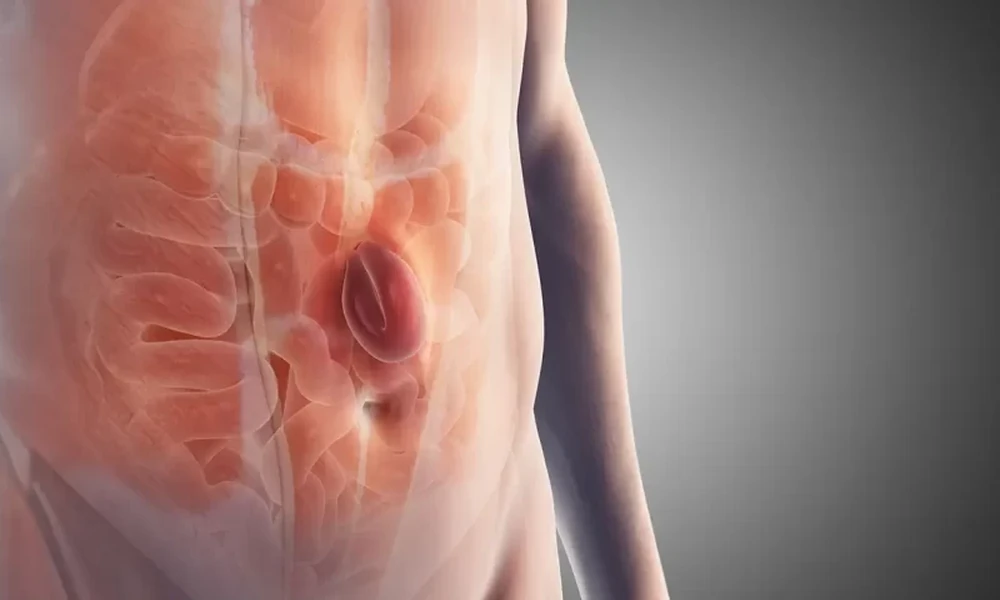
Hiatal hernia surgery is a well-established treatment that helps relieve persistent symptoms such as chronic acid reflux, chest discomfort, and difficulty swallowing. By correcting the underlying anatomical issue, the procedure can improve daily comfort and support long-term digestive health. Many patients experience better symptom control and a noticeable improvement in quality of life after treatment. Despite these benefits, surgery is often delayed because of common misconceptions about safety, recovery, and outcomes. Uncertainty and misinformation can make it difficult for patients to decide when to seek care. Understanding what is accurate and what is not is essential. In this article, we will separate common myths from facts to help patients make informed decisions about hiatal hernia surgery.
What is a Hiatal Hernia and When is Surgery Considered?
A hiatal hernia occurs when a part of the stomach pushes up through the diaphragm into the chest. This change can affect how the valve between the stomach and esophagus works, allowing stomach acid to move upward more easily. Because of this, hiatal hernias are often linked with acid reflux or GERD. Common symptoms include:
- Persistent heartburn
- Regurgitation of food or sour liquid
- Chest discomfort
- Difficulty swallowing
In many cases, these symptoms can be managed with medications, diet changes, and lifestyle adjustments such as maintaining a healthy weight and avoiding trigger foods.
Hiatal hernia surgery may be considered when symptoms do not improve with these measures and become severe, beginning to affect daily life. The surgery may also be recommended if complications develop, as treating the underlying issue can provide more lasting relief.
Debunking Myths About Hiatal Hernia Surgery
Many misconceptions surround hiatal hernia surgery, which can make patients hesitant or unsure about their treatment options. Clarifying these myths helps set accurate expectations and supports better decision-making.
Myth 1: Surgery is only for extreme or life-threatening cases
Fact: Hiatal hernia surgery is not limited to emergencies. It is often recommended when symptoms like persistent acid reflux, chest discomfort, or swallowing difficulties continue despite medication and lifestyle changes. The goal is to improve quality of life and prevent ongoing discomfort or complications, not just treat severe cases.
Myth 2: Hiatal hernia surgery is highly risky
Fact: Hiatal hernia surgery is generally safe when performed using modern techniques such as laparoscopic or robotic-assisted approaches. Like any surgical procedure, it carries some risks, but advancements in surgical methods have significantly reduced complications and improved outcomes. The safety and success of the procedure also depend on factors such as surgical expertise, patient health, and appropriate post-operative care.
Myth 3: Recovery takes a very long time
Fact: Recovery after hiatal hernia surgery is generally more manageable than many patients expect. Most individuals are able to resume light activities within a short period and gradually return to normal routines over the following few weeks. Recovery timelines vary depending on overall health, the surgical approach used, and how well post-operative instructions are followed. Consistent follow-up care and adherence to dietary and activity guidelines can support a smoother recovery process.
Myth 4: Surgery permanently restricts eating
Fact: Dietary changes after surgery are temporary in most cases. Patients typically start with liquids, then move to soft foods, and eventually return to a regular diet. Long-term eating restrictions are not usually required.
Myth 5: Medications can permanently cure a hiatal hernia
Fact: Medications help control symptoms such as acid reflux but do not correct the structural problem causing the hernia. Surgery addresses the root cause by repositioning the stomach and strengthening the diaphragm opening.
Myth 6: The condition always returns after surgery
Fact: Recurrence is possible but not common when the procedure is performed correctly and followed by appropriate lifestyle changes. Many patients experience long-term symptom relief and improved digestive comfort after surgery.
What Happens During Hiatal Hernia Surgery?
To begin with, hiatal hernia surgery involves surgeons selecting the appropriate treatment approach for each patient. Since every case is different, the surgical technique may vary based on the patient’s condition and overall health.
Common surgical techniques include:
- Open surgery: Involves a larger incision and is less commonly performed today
- Laparoscopic surgery: Uses small incisions and a camera for guided repair
- Robotic-assisted surgery: Offers enhanced precision and control, especially in complex cases
Fundoplication (additional procedure)
Fundoplication is often performed along with hernia repair. In this procedure, the upper part of the stomach is wrapped around the lower esophagus. This helps strengthen the valve between the esophagus and stomach, reducing acid reflux and improving symptom control.
Among the available surgical techniques, minimally invasive approach are preferred for the following reasons:
- Smaller incisions
- Less post-operative pain
- Reduced scarring
- Faster recovery compared to open surgery
If you are considering hernia surgery in Dallas, Fort Worth, Mansfield, or Plano, TX, choose a reputable hernia surgeon who uses advanced surgical techniques for faster recovery and relief.
Recovery and Expected Outcomes
Recovery after hiatal hernia surgery is typically gradual, with most patients experiencing steady improvement over the first few weeks. The exact timeline can vary depending on the surgical approach used, overall health, and how well post-operative instructions are followed.
Typical recovery process includes:
- Hospital stay: Some patients may go home the same day or stay for a short observation period
- Early recovery: Light activities can often be resumed within a few days to a week
- Full recovery: Most individuals return to normal routines within a few weeks
Diet progression after surgery:
- Initial phase: Clear liquids and very soft foods
- Gradual transition: Soft, easy-to-digest foods
- Later phase: Return to a regular, balanced diet as tolerated
Expected improvements:
- Reduction in acid reflux symptoms
- Relief from chest discomfort or pressure
- Improved swallowing comfort
- Better overall digestive function
When to Consult a Specialist
Hiatal hernia symptoms can often overlap with common digestive issues, which may lead to delayed diagnosis or treatment. However, persistent or worsening symptoms should not be ignored, as they may indicate the need for further evaluation. Key signs that warrant medical consultation include:
- Ongoing acid reflux or GERD despite medication
- Difficulty swallowing or a feeling of food getting stuck
- Frequent chest discomfort or pressure
- Symptoms that interfere with daily activities or sleep
Early evaluation helps identify the severity of the condition and determine whether non-surgical management or surgical repair is more appropriate. In some cases, timely intervention can also help prevent complications such as inflammation or narrowing of the esophagus.
For individuals experiencing symptoms of hiatal hernia in Dallas, Fort Worth, Mansfield, or Plano, consulting a qualified surgical team can help ensure an accurate diagnosis and guide the most suitable treatment approach based on individual needs.
Also Read: Different Types of Hernia & Their Surgical Treatment Options
Conclusion
Making an informed decision starts with understanding the facts and seeking proper medical guidance. For those considering hernia treatment in Dallas, Fort Worth, Mansfield, or Plano, TX, choose a leading healthcare facility that employs an experienced general surgery team and utilizes advanced surgical technology. If you are looking for recommendations, consider DFW Bariatrics and General Surgery. The team can provide clarity on diagnosis and suggest the most suitable treatment approach based on individual needs. With access to advanced surgical technology, precise and effective treatment can be ensured along with improved patient comfort. Choosing the right facility, following recommended care instructions, and attending regular follow-up visits can support a smoother recovery and contribute to a better overall quality of life.
