

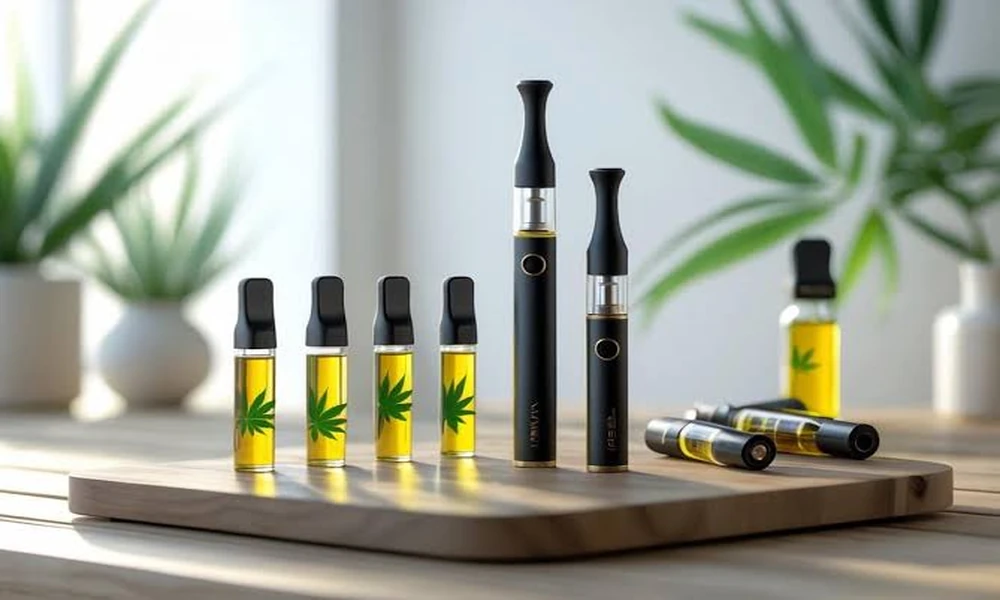
Consistent vapour production in THCA cartridges comes from oil viscosity staying within the range the heating element was calibrated for across every draw, not just the first few sessions. The best thca vapes achieve this because viscosity stability, element design, and airflow calibration were matched to each other during production rather than selected independently without consideration for how each variable affects the others during actual use.
Most vapour inconsistency that users notice mid-cartridge has nothing to do with the oil running low. It starts earlier than that. Viscosity that shifts between sessions due to temperature exposure, an element that fires unevenly as oil levels drop, or airflow that pulls harder than the element can vaporise cleanly, produces vapour outputs that vary from draw to draw in ways that feel like quality decline when the real cause is a production mismatch between components that were never properly matched in the first place.
Oil viscosity drives output
Viscosity is the variable most directly responsible for how much vapour a cartridge produces per draw, and oil that holds stable viscosity across ambient temperature variation produces more consistent output than oil calibrated only for controlled indoor conditions. Think about what actually happens when viscosity shifts. Too thin and the element floods, producing oversaturated draws where vapour volume spikes inconsistently.
- Full-spectrum oil compound complexity resists viscosity shift across temperature variation better than distillate formulations with simpler molecular composition.
- Viscosity calibrated to hardware specifications rather than fill efficiency maintains consistent draw output across the full oil volume.
- Temperature exposure between sessions shifts oil past its functional viscosity range faster than most users account for when attributing inconsistent draws to other variables.
Element design for consistency
Whether a heating element produces consistent vapour draw after draw comes down to how evenly it distributes heat across the oil contact surface and whether that distribution holds as oil levels change throughout the cartridge’s life. Ceramic elements maintain even heat distribution from a full cartridge through to the final fraction of oil in ways cotton wick systems do not. Wicks draw oil through capillary action that becomes less reliable as oil levels drop, producing uneven element contact that results in variable vapour output across the second half of the cartridge. Ceramic contact with oil is direct and consistent regardless of fill level, which is why ceramic cartridges tend to produce more stable vapour volume across their full lifespan rather than performing well initially and declining noticeably past the halfway point.
Airflow calibration role
Airflow calibration determines whether the vapour the element produces actually reaches the mouthpiece at consistent volume and temperature, and a mismatched airflow path undermines element performance regardless of how well the oil and hardware were matched to each other. Airflow that pulls more air than the element can saturate with vapour produces thin, inconsistent draws where volume varies based on draw intensity rather than remaining stable across different users. Restricted airflow creates back pressure that forces oil to the element faster than it vaporises cleanly, producing flooding that results in heavy, inconsistent draws rather than the stable vapour output the element was designed to deliver.
Consistent vapour production is a system’s outcome rather than the result of any single component performing well. Oil viscosity, element heat distribution, and airflow calibration either work together within the same performance window or they do not, and cartridges where those three variables were matched to each other during production are the ones that produce stable vapour output from first draw through to the last.
