

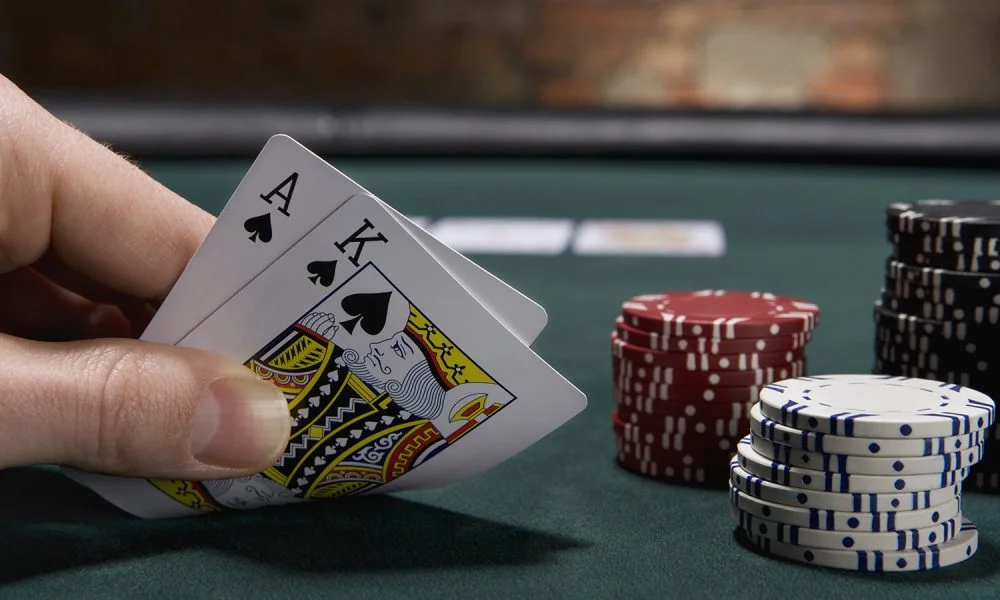
The decision to hold or fold in poker represents the most fundamental and frequent choice players face during gameplay, with these critical judgment calls ultimately determining long-term success or failure. Making optimal decisions requires analysing multiple variables simultaneously, including hand strength, position, opponent tendencies, stack sizes, and betting patterns. Online poker rooms on luxury777 provide ideal environments for developing and refining these crucial decision-making skills, as players can participate in more hands per hour than in physical settings, accelerating the learning process while testing different approaches to the hold-or-fold dilemma.
Starting hand selection
Starting hand requirements should vary based on your table position, with stricter standards in early positions and more flexibility as you approach the button. This positional adjustment recognises the informational advantage gained from acting later in the hand, compensating for initial hand strength disadvantages. Premium hands (high pocket pairs, AK, AQ) warrant continuation from any position, while marginal hands increase in value proportionally to your position advantage. The typical beginner mistake of playing too many hands from early positions creates unnecessarily difficult post-flop situations that even advanced players struggle to navigate profitably.
Reading the betting story
Poker hands tell stories through betting patterns, with each bet raised or checked revealing information about hand strength. Learning to interpret these stories accurately helps identify opportunities to continue with marginal holdings or fold stronger hands facing concerning action. Please pay particular attention to betting size, which tells us that unusually large or small bets often signal extreme hand strength or weakness. Players making minimum bets frequently hold marginal hands seeking cheap showdowns, while oversized bets commonly represent firm holdings or bluffs, rarely medium-strength hands.
Pot odds and equity
The mathematical relationship between the current pot size and the cost to continue forms the objective foundation for hold-fold decisions. When the percentage of the pot you must contribute is smaller than your percentage chance of winning, continuing becomes mathematically correct regardless of absolute hand strength.
For example, if you must call $10 into a $40 pot, you need only win more than 20% of the time to justify continuing. This principle applies regardless of whether you hold a made hand or draw, as poker decisions should be based on expected value rather than certainty. Implied odds expand this concept by considering potential future bets you might win, justifying calls with drawing hands that appear incorrect based solely on immediate pot odds. These future betting round considerations impact decisions with suited connectors, small pocket pairs, and other “speculative” holdings that make disguised strong hands.
Position power
The button and cutoff positions allow continuation with substantially wider ranges due to their increased postflop positional advantage. This advantage stems from informational benefits and the ability to take free cards appropriately, compensating for modest pre-flop hand strength deficiencies. Late positions also allow more effective bluffing opportunities when all players show weakness, creating profitable situations to continue with hands that would be precise folds from early positions. This positional bluffing adjustment represents a crucial aspect of advanced poker strategy that beginning players often overlook.
Opponent-specific adjustments
Players demonstrating tight folding tendencies justify more frequent bluff attempts and continuations with marginal holdings. Conversely, opponents who rarely fold demand stricter continuation standards focused primarily on hand strength rather than potential fold equity. Against observant opponents capable of hand reading, balancing your holding and folding decisions prevents becoming exploitably predictable. This balance might require occasionally continuing with weaker holdings and folding some stronger ones to maintain an optimal overall strategy that maximises long-term profitability.
