

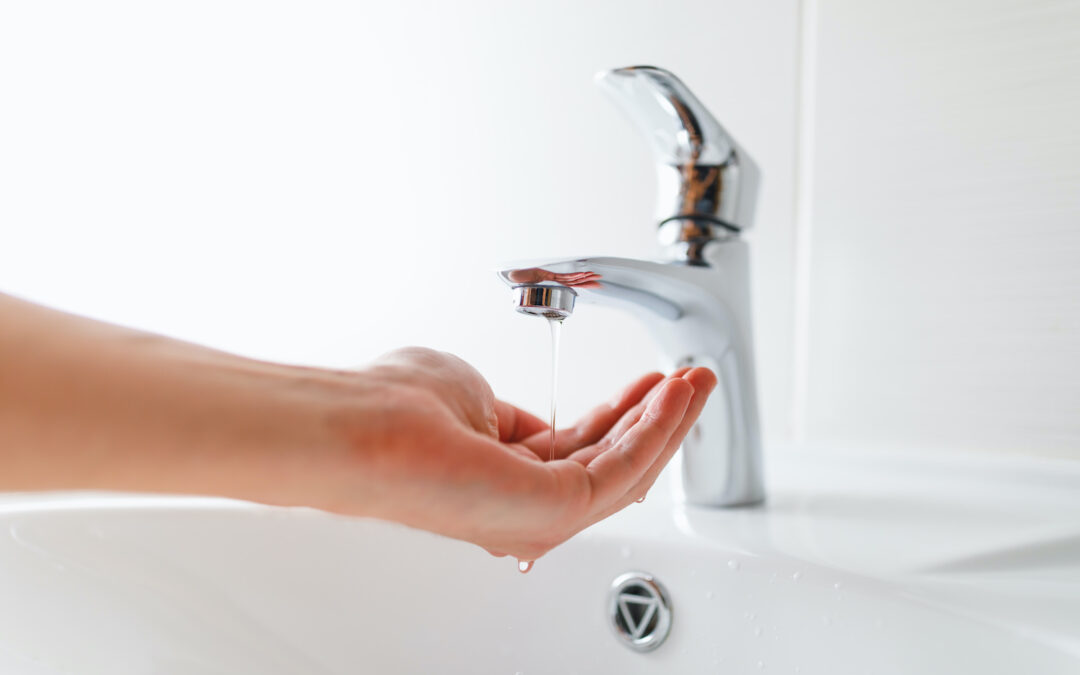
Low water pressure is one of those household problems that can quietly disrupt daily routines. From slow showers to appliances taking longer to fill, reduced water flow often signals an underlying plumbing issue. While some causes are obvious, many remain hidden behind walls, under floors, or within aging systems. Understanding these lesser-known factors can help homeowners address the issue before it turns into a costly repair.
Aging or Corroded Pipes
One of the most common hidden causes of low water pressure is pipe corrosion. In homes that are older, galvanized steel or iron lines can slowly rust from the inside. Over time, mineral buildup narrows the interior diameter of the pipe, restricting water flow. This process is slow and often goes unnoticed until pressure drops significantly. Even copper pipes can develop scale buildup in areas with hard water, leading to similar issues.
Undetected Water Leaks
Small leaks inside walls or beneath foundations can drastically reduce water pressure without visible signs. When water escapes before reaching fixtures, the flow weakens throughout the house. These leaks may not always cause immediate water damage, making them difficult to detect. A sudden spike in water bills or the sound of running water when fixtures are off often points to this hidden problem. In such cases, a professional inspection is usually required to locate the source.
Partially Closed or Faulty Valves
Water pressure problems can also stem from valves that are not fully open. Past repairs or changes that were made on purpose or by accident could have partly closed the main shutoff valve or some of the individual fixture valves. Additionally, aging valves can malfunction internally, restricting flow even when they appear open. This is a simple issue that is often overlooked but can make a noticeable difference once corrected.
Mineral Buildup in Fixtures
Low water pressure may not always be a system-wide issue. Mineral deposits can accumulate inside faucet aerators and showerheads, especially in areas with hard water. This buildup blocks water flow at the outlet, creating the impression of a larger plumbing problem. Cleaning or replacing these fixtures can restore normal pressure quickly and cost-effectively.
Pressure Regulator Problems
Many homes use a pressure regulator to protect plumbing systems from excessive water pressure. When this regulator fails or becomes miscalibrated, it can restrict flow throughout the house. A faulty pressure regulator often causes inconsistent pressure, where water flow fluctuates unexpectedly. Since this component is usually located near the main water line, problems can go unnoticed without professional evaluation.
Municipal Water Supply Issues
Sometimes the issue lies beyond the home itself. Municipal water supply problems, such as maintenance work, damaged supply lines, or increased neighborhood demand, can reduce pressure temporarily or permanently. Homeowners can’t change these things, but a plumber can help figure out if the problem is with the city’s supply or the home’s plumbing.
Clogged or Damaged Water Lines
Debris, sediment, or even tree root intrusion can clog water lines over time. This is particularly common in older properties with underground pipes. A damaged or partially blocked main water line restricts flow to the entire house, resulting in consistently low pressure. Advanced diagnostic tools allow professionals to inspect these lines without extensive excavation.
When to Call a Professional
If low water pressure persists despite basic checks, it is best to seek expert help. A qualified House plumber Houston residents rely on can accurately diagnose hidden issues, from internal pipe damage to regulator failures. Professional assessment not only restores proper water pressure but also prevents future plumbing emergencies.
Final Thoughts
Low water pressure is rarely just a minor inconvenience. It often indicates deeper plumbing problems that worsen over time if ignored. By understanding the hidden causes and acting early, homeowners can protect their plumbing systems, improve daily comfort, and avoid expensive repairs in the future.
