

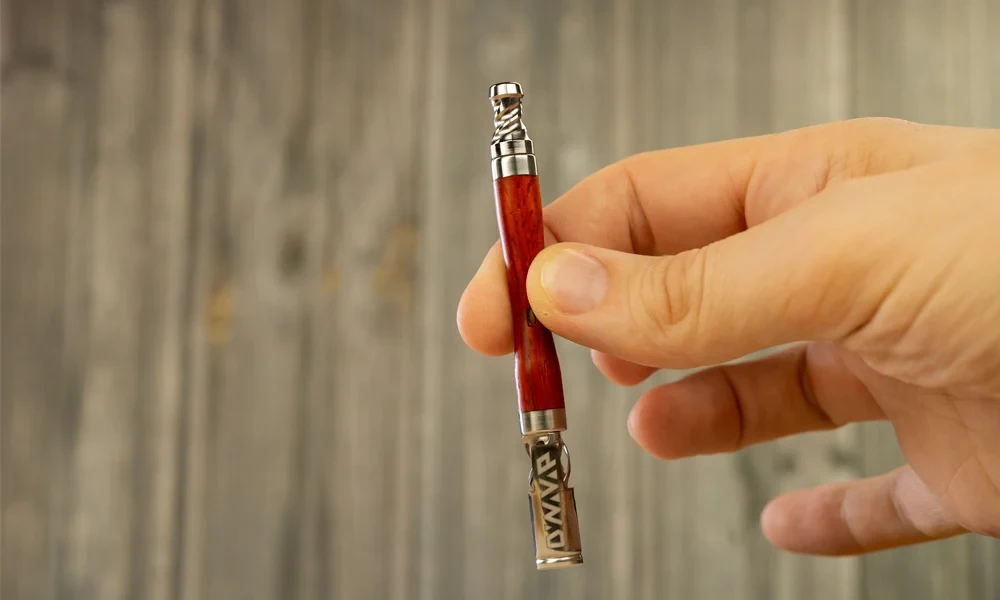
Consumers comparing disposable vape options often pause at the price difference between standard fixed-battery formats and rechargeable versions. rechargeable THCA vape pens cost more upfront, and whether that difference is justified depends on how the device performs across its full oil reserve compared to what a fixed-battery unit delivers over the same period.
Battery output over time
Battery output is where rechargeable and fixed-battery formats separate most clearly. A fixed battery loses voltage gradually from the first draw onward, and that decline shows up as lighter vapour and reduced consistency before the oil is anywhere near finished.
Rechargeable formats remove that curve entirely. Restoring charge before each session keeps the coil operating at the same temperature draw after draw, which means the first session and the final session feel essentially the same. For consumers who finish a disposable across several days or weeks, that consistency has real practical value. A fixed-battery unit might deliver strong output on day one and noticeably lighter output by day four, while a rechargeable version holds the same level throughout. That gap widens further for consumers who use their device multiple times daily, where battery drain happens faster, and the performance decline arrives sooner.
Oil utilization
Oil utilization refers to how much of the fill actually gets consumed at full vaporization temperature versus how much gets wasted as the battery weakens. This is one area where fixed-battery disposables consistently underperform.
As the voltage drops in a fixed-battery unit, the coil no longer reaches the temperature needed to vaporise dense THCA extract efficiently. Oil that remains in the chamber at that point either sits unused or produces thin, unsatisfying vapour that does not reflect the product’s actual concentration. Rechargeable pens maintain coil temperature through the full oil reserve, which means more of what was paid for actually gets consumed productively rather than left behind in a depleted chamber.
Hardware construction
Rechargeable THCA vape pens are generally built to a higher hardware standard than fixed-battery disposables, partly because the format is expected to sustain more handling across a longer active lifespan.
- Reinforced charging port construction protects internal connections from wear during repeated plug cycles.
- Higher capacity battery cells support more draws per charge, reducing how often recharging is needed during daily use.
- Sealed oil chambers in rechargeable formats use stronger material tolerances to handle the additional physical handling that comes with a longer use period.
- Mouthpiece construction in rechargeable formats typically uses more durable material than the lightweight components found in standard single-use disposables.
Long-term value
Value across the full lifespan of a rechargeable THCA vape pen looks different from value assessed at the point of purchase. The upfront difference in price narrows considerably once oil utilisation, session consistency, and hardware durability are factored into the comparison.
A fixed-battery disposable that wastes oil in its final sessions and delivers inconsistent vapour across its lifespan costs more per productive draw than a rechargeable version that extracts the full value of the same oil volume. Consumers who use THCA vape pens regularly and expect consistent output across every session tend to find that rechargeable formats deliver more per unit than the price difference initially suggests.
Rechargeable THCA vape pens deliver more consistent output, better oil utilization, and stronger hardware construction than fixed-battery alternatives. Consumers who use THCA vape products regularly tend to find that the upfront price difference narrows considerably once those performance advantages are measured across the full lifespan of the device.
