

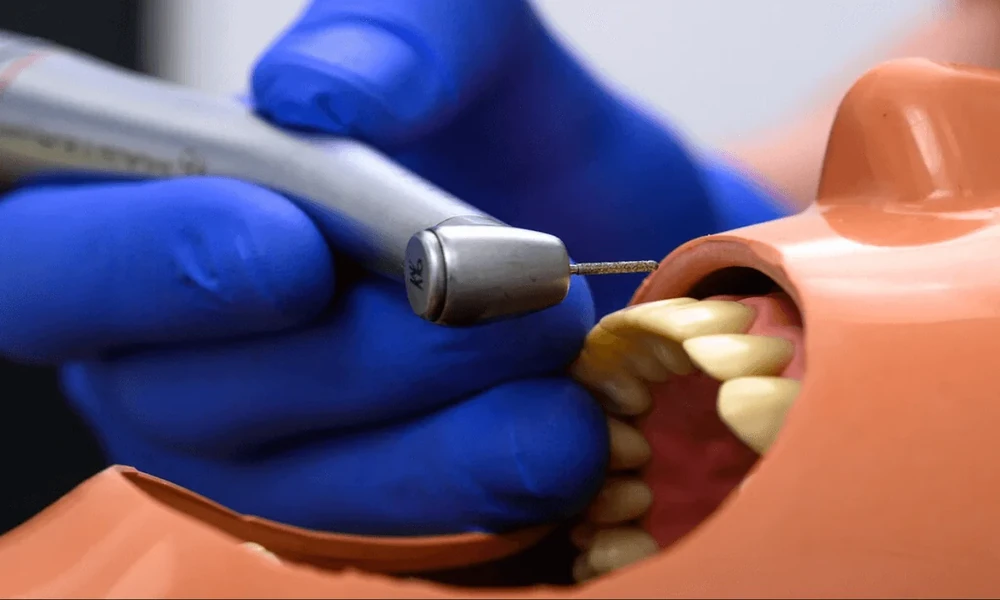
You may have noticed a tooth that feels rough, a filling that does not feel right anymore, or pain that comes and goes just enough to keep you worried. It is easy to put that kind of problem off. Life gets busy, money is tight, and dental work can sound bigger and more expensive than you want to face. Still, small problems in your mouth rarely stay small for long. If you need to learn more about dental implants in Valencia, it may help to address concerns early before they become more serious.
That is why general dentistry as a first step for restorative treatment makes sense. A general dentist looks at the full picture, finds the cause of the problem, and helps you start with the least invasive option that still protects your teeth. If you need a filling, crown, or another repair, the process usually starts there. You do not need to guess what is serious and what can wait. You need a clear exam, a practical plan, and treatment that fits what your mouth needs now.
General dentistry finds the problem before restorative care gets bigger
Restorative care is about repairing damage. That can mean treating decay, replacing worn fillings, fixing chipped teeth, or restoring function after injury or wear. The mistake many people make is assuming restoration begins with a big procedure. In most cases, it begins with a general dentist who checks your teeth, gums, bite, and oral health habits together.
A cavity does not always hurt right away. A cracked tooth may only bother you when you chew one certain way. Gum inflammation can make a tooth feel sensitive even when the tooth itself is not the main issue. If you skip that first broad evaluation, you can end up treating the symptom and missing the cause.
A general dentist for restorative care also helps sort urgency from anxiety. If your tooth has mild decay, a filling may solve it quickly. The National Institute of Dental and Craniofacial Research explains the common types of dental fillings used to repair cavities and restore tooth structure. If the decay reaches deeper layers, the repair may need to be larger. If the tooth cannot be saved with a simple restoration, you may need referral for specialty care. That sequence matters because it prevents overtreatment and delay at the same time.
Early restorative treatment protects your budget and your daily life
Dental problems affect more than your mouth. You chew differently, avoid cold drinks, wake up thinking about that one tooth, and start doing little workarounds without even noticing. Then the stress grows because you know it is still there.
Cost often drives delay. That delay is exactly what tends to make treatment more expensive. A tooth with a small cavity may need a filling. Wait too long and the same tooth may need a crown. If the nerve becomes infected, root canal treatment may follow. If the tooth breaks beyond repair, replacement becomes the next issue.
MedlinePlus outlines how tooth decay develops, starting with plaque, bacteria, and enamel breakdown. That progression is why general dental visits matter so much. Catching damage early gives you more options, and those options are often simpler, faster, and less costly.
This is also where routine care supports repair. The Centers for Disease Control and Prevention offers oral health tips for adults that help lower the risk of decay and gum disease. Brushing with fluoride toothpaste, flossing, limiting sugary foods and drinks, and keeping regular dental visits do not sound dramatic, but they reduce the chance that a minor issue turns into a restorative problem.
General dental care creates a practical path before specialty treatment
People often hear “restorative care” and picture a specialist right away. Sometimes that is needed. Often, it is not the first stop. General dental care handles many common restorative needs and coordinates referrals when the case is more complex.
If you have an old filling that broke, a general dentist can assess whether it should be replaced, whether the tooth now needs a crown, or whether the crack extends deeper. If you lost part of a front tooth, the first concern is not only how it looks, but whether the tooth is stable and whether the bite is causing more damage. If several teeth are worn down, the issue may involve grinding, gum health, and bite alignment together. Starting with a broad exam keeps the plan grounded in what is actually happening.
| Situation | Starting with General Dentistry | Waiting or Self-Managing |
|---|---|---|
| Small cavity or sensitivity | Exam, X-rays if needed, early filling or preventive care | Decay may spread and require a larger restoration |
| Broken or worn filling | Assessment of tooth structure, replacement or crown planning | Tooth may crack further or trap more bacteria |
| Chipped tooth | Check function, appearance, and nerve health before repair | Sharp edges, bite changes, and deeper fracture risk |
| Ongoing gum irritation | Cleaning, gum evaluation, and treatment plan | Inflammation may worsen and affect tooth support |
Small, immediate steps make restorative dentistry less overwhelming
Schedule an exam when symptoms are still mild. Pain is not the only sign that something is wrong. Sensitivity, food getting stuck, bleeding gums, and rough edges all deserve attention. Early visits usually open the door to simpler restorative dentistry.
Write down what you are noticing. Note when the pain happens, what triggers it, and whether it is sharp, dull, brief, or constant. That kind of detail helps a general dentist pinpoint the cause faster and choose the right repair.
Ask for a phased treatment plan. If more than one tooth needs care, you do not have to solve everything at once. A good plan prioritizes urgent issues first, addresses function, then works through less urgent repairs in a way that fits your budget and schedule.
Restorative care starts with the right first visit
If your mouth has been trying to get your attention, you are not overreacting by dealing with it now. You are giving yourself the best chance to keep treatment smaller, simpler, and more manageable. Why General Dentistry Is The Best First Step In Restorative Care comes down to this: it gives you a clear diagnosis, realistic options, and a path forward before damage spreads. If you have been waiting for the right place to begin, start with a general dentist and take that first step.
