

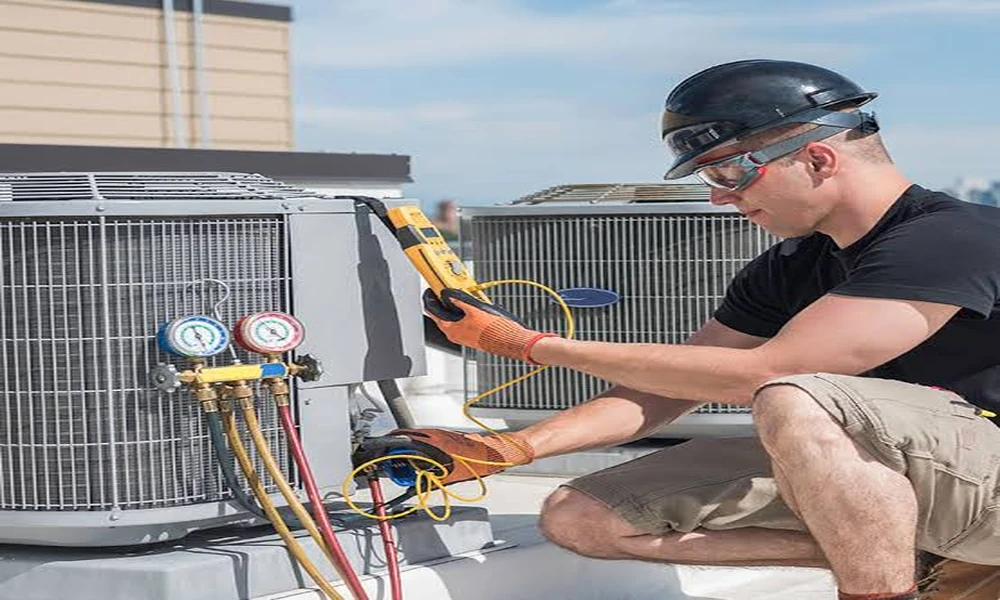
A minor HVAC glitch can quickly snowball into an expensive operational nightmare. Catching system issues early protects your equipment, cuts energy costs, and keeps your facility running smoothly. Discover the most common commercial HVAC problems skilled technicians resolve before they escalate into major disruptions and costly emergency repairs.
Maintaining a comfortable, efficient indoor environment is essential for every business. When commercial heating and cooling systems falter, productivity drops, utility costs spike, and expensive equipment faces premature failure. Small warning signs like unusual noises or minor temperature swings often indicate underlying mechanical troubles. Partnering with an experienced commercial HVAC contractor for facilities ensures these minor flaws are caught before they turn into full-blown emergencies. Proactive maintenance and timely diagnostics keep your system operating reliably year-round. Here is a look at the key commercial HVAC issues expert contractors solve before they disrupt your daily business operations.
Key Commercial HVAC Issues Solved Before Escalation
1. Inconsistent Temperature Control and Airflow Loss
When temperature distribution becomes uneven across different building zones, occupant comfort suffers instantly. Skilled technicians diagnose the root cause behind air imbalances and restore optimal airflow throughout your property.
- Clogged filters and obstructed ductwork restricting circulation.
- Malfunctioning thermostats or miscalibrated zoning controls.
- Worn fan belts and blower motor degradation.
Without prompt intervention, air handler components strain excessively, causing energy bills to soar while accelerating hardware wear and tear.
2. Refrigerant Leaks and Short Cycling
Refrigerant leaks do not just reduce cooling performance; they force your compressors to work harder, leading to system short cycling where the unit rapidly turns on and off. A certified professional identifies minute leaks, seals the compromised lines, and rebalances refrigerant levels to precise manufacturer standards. Resolving short cycling quickly prevents compressor burnout, protects internal electrical components, and restores peak seasonal efficiency.
3. Poor Indoor Air Quality and Mold Accumulation
Excess humidity and dirty evaporator coils create an ideal environment for mold, bacteria, and allergens to thrive within your building’s ductwork.
- Accumulated dust and biological growth blocking air passages.
- Standing moisture in drain pans causing humidity build-up.
- Inadequate ventilation failing to bring in fresh outside air.
Relying on a trusted commercial HVAC contractor for facilities helps clear these contaminants through thorough coil cleaning, duct maintenance, and advanced air filtration upgrades, keeping your indoor environment healthy.
4. Building Automation and Control Anomalies
Modern commercial HVAC relies heavily on digital building automation systems to manage heating and cooling schedules. Sensor drifts or software misconfigurations can cause heavy operational inefficiencies. Expert contractors recalibrate smart sensors, update control schedules, and align system automation with your building’s actual occupancy patterns. Fixing control errors prevents heating and cooling systems from fighting each other, saving thousands in unnecessary energy expenses.
5. Electrical Failure and Component Corrosion
Loose wiring connections, corroded contactors, and worn capacitors can trigger localized electrical failures within commercial rooftops and chillers. Over time, heat and vibration loosen terminal screws, while high electrical loads cause contact points to pit and burn out. Technicians utilize thermal imaging and voltage diagnostics during routine checkups to spot overheating electrical points, replacing compromised components before they blow main fuses or damage primary compressors.
6. Condensate Line Blockages and Water Intrusion
Commercial cooling systems remove massive amounts of moisture from indoor air during peak operation, routing runoff through specialized drainage networks.
- Algae growth and sediment buildup causing severe line blockages.
- Overflowing drain pans leading to roof leaks and structural ceiling damage.
- Failed condensate pumps leaving standing water near critical electrical panels.
Clearing drain lines regularly and installing secondary safety switches prevents costly water intrusion and preserves the structural integrity of your facility.
FAQs
How often should commercial HVAC systems undergo preventative maintenance?
Commercial systems should be inspected and serviced at least twice a year-typically in the spring for cooling systems and in the fall for heating equipment.
What are the primary signs that an HVAC unit is short cycling?
Frequent on-and-off cycling, sudden spikes in energy bills, and noticeable room temperature fluctuations usually signal short cycling.
Can routine HVAC maintenance really lower monthly operating expenses?
Yes, routine tune-ups optimize airflow, clean essential coils, and correct minor electrical issues, significantly lowering monthly energy consumption.
Why is indoor air quality critical for commercial buildings?
Good indoor air quality reduces employee fatigue, eliminates odors, and prevents mold accumulation that can damage ductwork and facility infrastructure.
What should a facility manager do during an emergency breakdown?
Contact a certified HVAC technician immediately for 24/7 emergency response, turn off malfunctioning units to prevent further damage, and check electrical breakers.
Closing Thoughts
Commercial heating and cooling systems represent a major investment for any business infrastructure. Ignoring subtle signs of trouble-such as strange noises, inconsistent airflow, or rising utility bills-invites costly repairs and unexpected operational downtime. By taking a proactive approach to mechanical care, facility managers can safeguard equipment health, improve indoor air quality, and extend total system lifespan. Routine inspections, thorough coil cleanings, and precise control calibrations catch small flaws before they transform into major financial burdens. Working with a dedicated commercial HVAC contractor for facilities gives you peace of mind, knowing your building remains safe, energy-efficient, and comfortable throughout every season. Protect your bottom line and ensure uninterrupted productivity by prioritizing professional HVAC maintenance today.
=====================================================================
3.
