

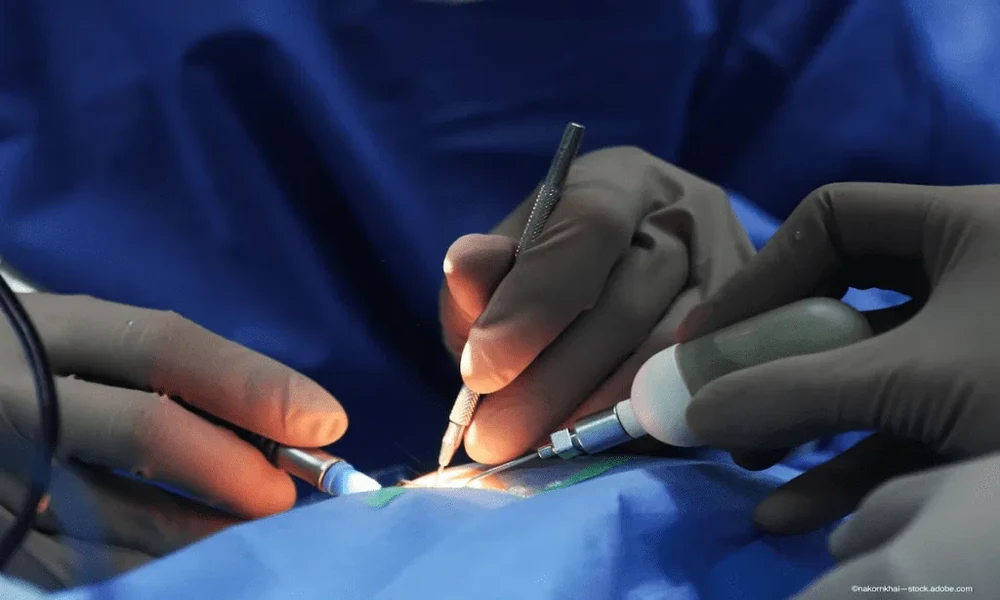
You might not think about surgical checklists, sterile drapes, or anesthesia logs when you bring your pet to a Veterinary Clinic offering veterinary in Olive Hill, KY. You are probably thinking about one thing only, whether your animal will be safe, comfortable, and back home soon. That feeling is real. Surgery can bring fear, guilt, and a lot of questions, even when the procedure is routine. If your pet needs a dental extraction, spay, mass removal, or emergency operation, the difference between a calm experience and a preventable problem often comes down to one thing. Strong safety systems.
That is why The Importance Of Surgical Safety Protocols In Veterinary Clinics matters so much. Good protocols help teams prevent infection, reduce anesthesia risks, improve communication, and catch small mistakes before they become serious. In simple terms, they protect your pet when your pet cannot speak for themselves.
Why do veterinary surgical safety procedures matter so much when everything seems routine?
Routine can create comfort, but it can also create blind spots. In a busy clinic, staff may move quickly from one patient to the next. Most days, that pace is handled well. Still, surgery is never casual. A mislabeled medication, an incomplete exam, a missed fasting instruction, or a break in sterile technique can change the outcome fast.
Because of this tension, you might wonder what strong safety looks like in real life. It starts before the first incision. A careful team confirms the pet’s identity, reviews the procedure, checks lab work, confirms anesthesia plans, and inspects equipment. During surgery, they monitor heart rate, breathing, blood pressure, oxygen levels, and temperature. After surgery, they continue watching for pain, bleeding, infection, and delayed recovery.
This is the heart of veterinary surgical safety procedures. It is not just one rule. It is a chain of steps, each one designed to support the next.
Even state guidance reflects this need for structure. A veterinary premises checklist shows how clinics are expected to maintain surgical areas, records, sanitation, and equipment standards. That may sound technical, but the meaning is simple. Safe surgery depends on preparation, not luck.
What can go wrong without clear animal surgery safety protocols?
When people hear the phrase animal surgery safety protocols, they sometimes imagine red tape. In practice, these protocols reduce avoidable harm. Without them, a clinic can face wrong dose errors, contamination, poor pain control, delayed response to complications, or gaps in communication between the veterinarian and support staff.
Think about a common example. A dog comes in for a mass removal. The owner followed fasting instructions, but no one documents a medication the dog took that morning. If the team misses that detail, anesthesia planning may be less accurate. Or consider a cat who becomes cold during surgery. If temperature is not tracked closely, recovery can be slower and rougher than it needed to be.
These are not dramatic movie scenes. They are the small, real moments that protocols are built to catch. Guidance on safe surgical technique and aseptic practice explains why sterile handling, tissue care, and organized workflow matter. They lower infection risk and support healing. Another set of surgical care guidelines highlights the need for preparation, monitoring, and recovery support throughout the procedure, not only during the operation itself.
How do surgical safety standards in a Veterinary Clinic protect pets and owners?
Safety standards protect pets first, but they also protect you. When a clinic follows strong systems, you are less likely to face surprise complications, repeat procedures, added cost, or the emotional stress that comes with preventable setbacks. Clear protocols also make communication easier. You know what to expect before surgery, what the clinic is monitoring during it, and what warning signs matter after discharge.
So, where does that leave you as a pet owner? It means asking better questions. Not because you should feel suspicious, but because informed care is safer care. A good clinic should be able to explain how they handle preoperative exams, sterilization, anesthesia monitoring, pain management, and recovery checks in plain language.
What practical signs show that a clinic takes surgical safety seriously?
Some signs are visible, and some happen behind the scenes. The table below can help you compare what strong protocols often include and why they matter.
| Safety Practice | What It Looks Like | Why It Matters |
|---|---|---|
| Pre surgery screening | Physical exam, history review, lab work, medication check | Helps identify anesthesia and procedure risks early |
| Identity and procedure confirmation | Staff verify patient, planned surgery site, and consent | Reduces communication mistakes |
| Sterile technique | Clean surgical suite, sterilized tools, proper gowning and gloving | Lowers infection risk |
| Anesthesia monitoring | Tracking oxygen, pulse, blood pressure, temperature, and breathing | Allows fast response to changes during surgery |
| Pain management | Medication plan before, during, and after the procedure | Supports comfort and smoother recovery |
| Recovery observation | Close monitoring until the pet is stable and awake | Catches bleeding, breathing issues, or delayed recovery |
What can you do right now if your pet may need surgery?
Ask how the clinic prepares for surgery. You do not need medical training to ask useful questions. Ask whether they perform preoperative testing, how they monitor anesthesia, and who watches your pet during recovery. Clear answers often reflect clear systems.
Share every health detail, even if it seems minor. Tell the team about supplements, recent vomiting, appetite changes, cough, past reactions, or medications given that day. Small details can shape anesthesia and pain control decisions.
Follow discharge instructions closely. The surgery is not the whole story. Restricting activity, giving medications on time, checking the incision, and returning for rechecks are all part of safe healing. If something feels off, call sooner rather than later.
How should you think about the importance of surgical safety protocols going forward?
When your pet needs surgery, it is normal to feel torn between trust and worry. Both feelings can exist at the same time. The good news is that strong protocols bring order to a stressful moment. They help veterinary teams stay consistent, reduce avoidable risks, and give your pet a safer path from intake to recovery.
The importance of surgical safety protocols is not abstract. It shows up in cleaner procedures, better monitoring, safer anesthesia, and steadier healing. If your pet is facing surgery, take a breath, ask direct questions, and choose a Veterinary Clinic that treats safety as part of care, not an extra step.
