

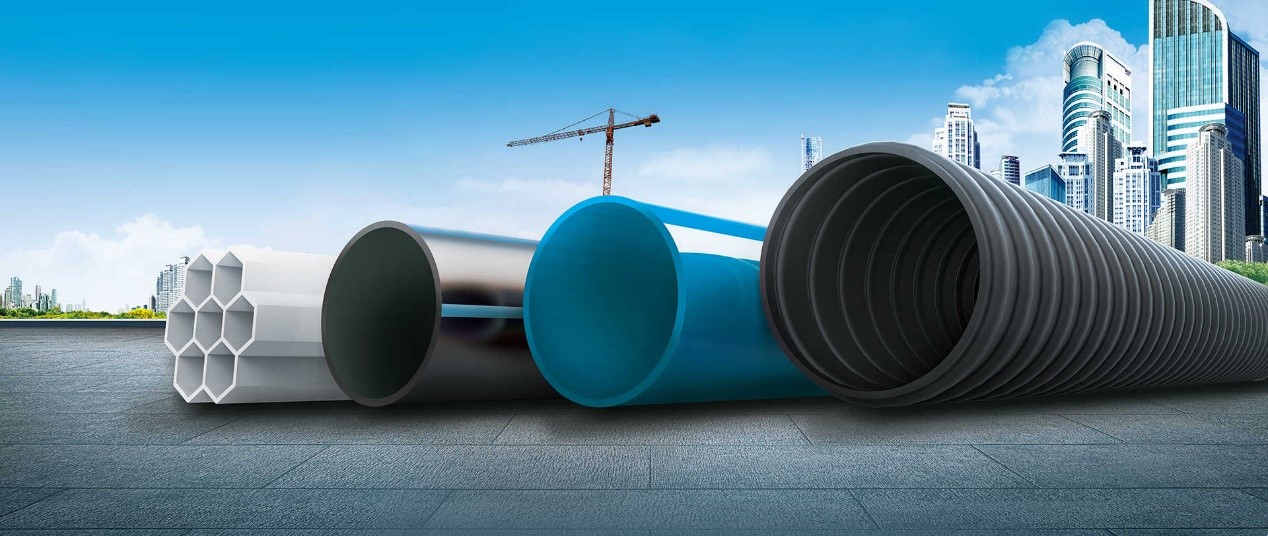
Looking to cut plastic tubing for your next manufacturing project? This guide will show you the best ways to get the job done quickly and easily. With the right tools and techniques, you’ll be able to make precision cuts that meet your exact specifications. Let’s get started!
What’s plastic tubing?
Plastic tubing is a versatile manufacturing material that can be used for a wide variety of applications. It is strong and durable, yet lightweight and easy to work with. Plastic tubing can be used to create everything from food-grade containers to medical devices. It is also widely used in the automotive and construction industries.
In recent years, researchers have even developed methods for using plastic tubing to create biomass fuel. With its many potential uses, it is no wonder that plastic tubing is one of the most popular manufacturing materials on the market today.
Why plastic tubing is important in manufacturing
Plastics play a vital role in manufacturing. They can be used to create strong and durable products, while also being lightweight and easy to work with. One of the most versatile types of plastic is PVC tubing.
It is frequently used in manufacturing due to its many advantages. PVC tubing is strong yet flexible, making it ideal for use in a wide range of applications. It is also resistant to moisture, chemicals, and UV light, meaning it can be used both indoors and outdoors.
In addition, PVC tubing is easy to connect and disconnect, which makes it perfect for use in manufacturing where products need to be assembled and disassembled quickly. Overall, PVC tubing is an essential part of manufacturing, and its versatility makes it one of the most popular plastics used in the industry.
The different types of plastic tubing
The manufacturing of plastic tubing involves a variety of processes and materials. The most common type of plastic tubing is made from polyethylene, which is a strong, lightweight material that is resistant to chemicals and moisture.
Other common types of plastic tubing include PVC, ABS, and polycarbonate. Each type of plastic tubing has unique properties that make it suitable for different applications. For example, PVC tubing is often used in plumbing because it is durable and easy to connect.
ABS tubing, on the other hand, is often used in automotive applications because it is heat-resistant. When choosing the right type of plastic tubing for your project, it is important to consider the specific requirements of the application.
The best tools for cutting plastic tubing
In the manufacturing industry, there are a wide variety of materials that need to be cut into different shapes and sizes. One of the most common materials is plastic tubing. While there are many different ways to cut plastic tubing, some methods are more effective than others.
For example, a band saw can quickly and easily cut through thicker plastic tubing, while a rotary cutter is better suited for cutting smaller diameter tubing. There are also specialized tools that are designed specifically for cutting plastic tubing, such as pneumatic saws and cutting wheels. By using the right tool for the job, you can ensure that your cuts are precise and accurate.
The best techniques for cutting plastic tubing
Plastic tubing is one of the most versatile manufacturing materials available. It can be used to create everything from pipe fittings to medical equipment. However, cutting plastic tubing can be challenging, as it tends to be tough and sticky.
In addition, many plastics release harmful toxins when heated, making them dangerous to work with. Thankfully, there are a few simple techniques that can help you cut plastic tubing safely and effectively.
First, it’s important to use a sharp blade. A dull blade will cause the tubing to tear, rather than cleanly cut through it. Second, you’ll need to score the tubing before cutting it. This will prevent the blade from slipping and causing an accident. Finally, use a slow and steady sawing motion to avoid overheating the plastic.
With these tips in mind, you’ll be able to cut plastic tubing like a pro!
The bottom line
With the help of our blog post, you now know all there is to know about plastic tubing. It’s clear that this versatile material has countless applications in a variety of industries. Hopefully, you feel inspired to explore the possibilities and put it to use in your own business or projects.
