

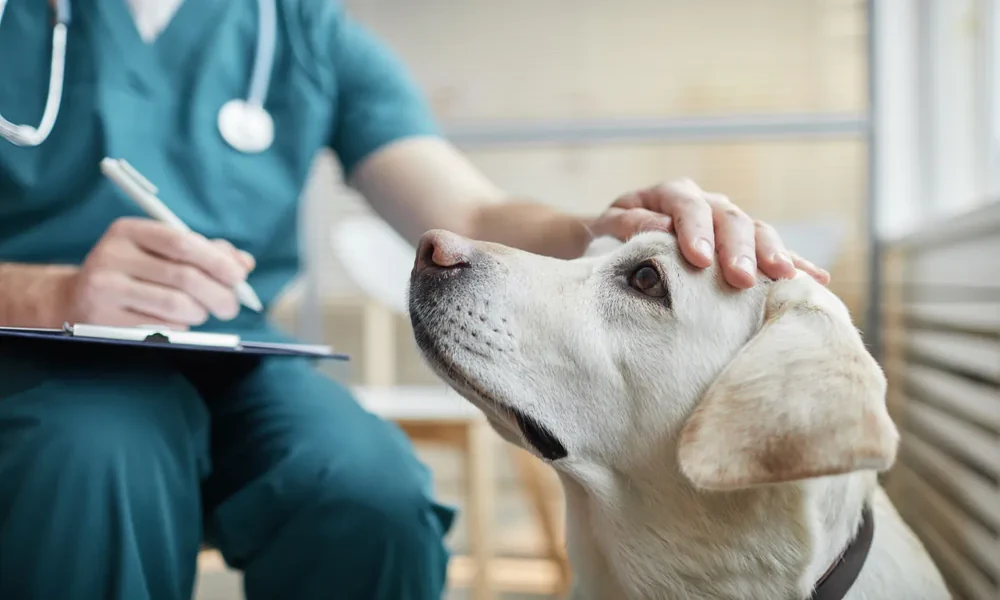
You know your pet’s routine. You notice the slower rise from the floor, the hesitation before stairs, the restless pacing at night, the way a once easy walk now ends early. When pain, stiffness, anxiety, or chronic illness starts changing daily life, standard treatment alone can feel like only part of the answer. You want relief that is safe, practical, and tailored to your animal, not a string of guesses, and support that may include animal surgery in Fontana when needed.
That is why more pet owners are asking about 3 Benefits Of Integrating Alternative Therapies In Animal Hospitals. The short version is simple. When an animal hospital adds therapies like acupuncture, rehabilitation, laser therapy, massage, and nutrition support to conventional veterinary care, pets often get better pain control, a more personalized treatment plan, and stronger support for recovery and long term comfort.
Integrated animal care can improve pain control
Pain is rarely neat. A dog with arthritis may also have muscle loss, poor balance, and trouble sleeping. A cat with chronic pain may stop jumping, groom less, or hide more, and those changes can be easy to miss until they become severe. Medication still matters. In many cases, it is the foundation. The challenge is that medication may not address every part of what your pet is feeling.
That is where integrated care helps. A hospital that combines standard medicine with therapies such as acupuncture or physical rehabilitation can target pain from more than one angle. One treatment may reduce inflammation, another may ease muscle tension, and another may help rebuild strength so the painful cycle does not keep repeating.
Washington State University’s integrative medicine service for cats and dogs outlines how these approaches can work alongside conventional care rather than replace it. That distinction matters. You are not choosing between science and comfort. You are looking for a broader plan that fits the pet in front of you.
This can also support safer decision making around pain medication. The FDA’s guidance on pain control and NSAID use in animals makes clear that these drugs can be effective, but they also require careful veterinary oversight because side effects and drug interactions are real concerns. If an animal hospital can add non drug therapies to the plan, some pets may need less reliance on a single tool, and their response can be monitored more closely over time.
Alternative therapies in veterinary hospitals support personalized treatment
Two pets can share the same diagnosis and need very different care. One older Labrador with arthritis may benefit most from underwater treadmill sessions and weight management. Another may be too anxious for that setting and do better with acupuncture, home exercises, and short medication adjustments. A one size fits all plan often breaks down at home, where the real test happens.
This is one of the clearest benefits of alternative therapies in veterinary hospitals. They give your veterinary team more ways to build around your pet’s age, temperament, mobility, and other health issues. That flexibility matters when a pet has kidney disease, a sensitive stomach, or a history of medication side effects. It also matters when your schedule, budget, and home setup affect what care is realistic.
You may have already felt this tension. You leave an appointment with a list of instructions that looked manageable in the exam room, then real life hits. Your dog will not tolerate the harness. Your cat hides after every car ride. The exercise routine falls apart by day three. A more customized plan has a better chance of sticking, and sticking is what leads to results.
Animal hospital rehabilitation can strengthen recovery and daily function
Recovery is not only about getting through surgery or controlling symptoms. It is also about whether your pet can move with confidence, rest without distress, and enjoy normal routines again. That is where animal hospital rehabilitation becomes especially valuable.
After orthopedic surgery, a pet may heal on paper before strength and coordination fully return. After a back injury, fear of movement can linger even when acute pain improves. In chronic conditions, pets often compensate in ways that strain other joints and muscles. Integrated therapies can help interrupt that pattern.
Rehabilitation, therapeutic exercise, laser therapy, and targeted manual work can improve range of motion, support muscle recovery, and reduce the risk of setbacks. The benefit is not just clinical. It shows up in ordinary moments. Your dog gets into the car without help. Your cat uses the litter box more comfortably. Walks stop feeling like a negotiation.
| Approach | Primary Benefit | Best Use Case | Common Limitation |
|---|---|---|---|
| Medication only | Fast symptom control | Acute pain, short term flare ups | May not address mobility, strength, or behavior changes |
| Alternative therapy only | Supportive comfort care | Mild issues or maintenance in selected cases | May be inadequate for severe pain or active disease |
| Integrated care in an animal hospital | Layered pain relief and functional recovery | Arthritis, post surgical rehab, chronic pain, mobility decline | Requires coordination, follow up, and a tailored plan |
Small steps can help you choose the right care plan
Ask for a full pain and mobility review. Do not stop at the main diagnosis. Ask what is driving your pet’s discomfort day to day. Is it joint pain, weakness, nerve pain, fear of movement, or all of the above? A fuller picture makes it easier to decide whether rehab, acupuncture, laser therapy, or nutrition changes belong in the plan.
Request a treatment plan with clear roles for each therapy. If your pet is getting medication and supportive therapies, ask what each one is meant to do, how progress will be measured, and what side effects or warning signs you should watch for at home. Clear goals prevent wasted time and help you spot whether the plan is working.
Track function, not just symptoms. Keep notes on stairs, appetite, sleep, play, jumping, bathroom habits, and recovery after walks. Owners often focus on whether a pet seems “better,” but function tells a more honest story. Small gains in movement and comfort often show up there first.
Better support often comes from combining therapies with veterinary oversight
If your pet has been struggling and the current plan feels incomplete, you are not overreacting. You are seeing the gap between surviving and living comfortably. Integrating supportive therapies into an animal hospital setting can improve pain control, create more personalized care, and help your pet recover or function more fully in daily life.
The right next step is a conversation with your veterinary team about whether an integrated approach fits your pet’s condition, risks, and goals. Thoughtful care does not have to be all or nothing. Often, it works best when the pieces are connected.
